Best Plastic Free Storage Containers for your Coffee Beans
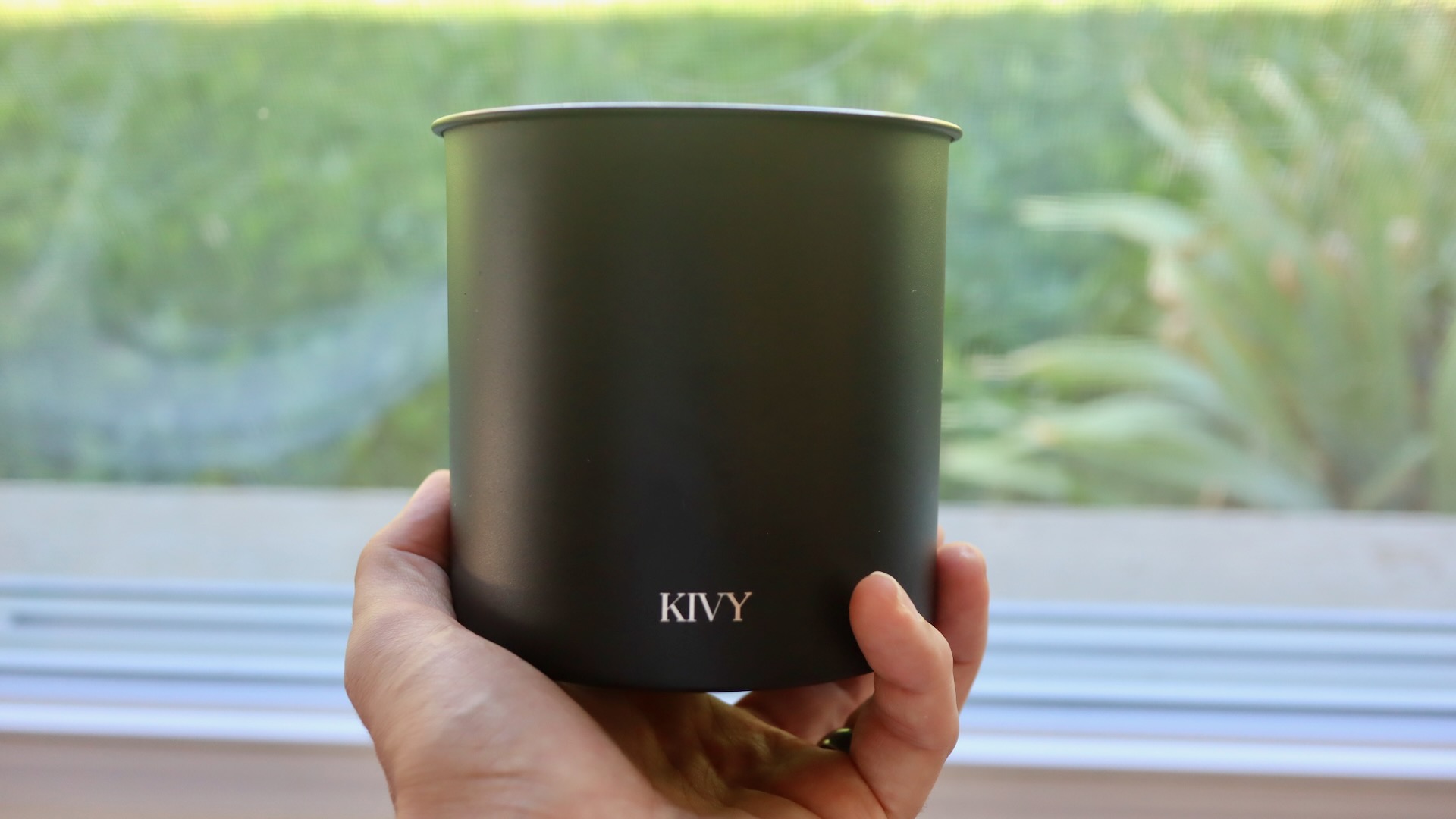
Best Ways to Store Coffee Beans
One of the questions I get asked most is, “how do you store your coffee beans, Tom?” That is a good question, and it’s what we’ll look at in this article.
Storing coffee beans doesn’t need to be difficult – in fact I feel that it should be as easy and ergonomic as possible, but you do need to try and limit the air that your coffee beans get exposed to.
Keeping coffee beans away from oxygen and light will help a lot in maintaining the beans aromatics, and allowing a good extraction. This is doubly important for espresso, where the beans themselves provide the back-pressure to the incoming pressurized water. If your beans become too oxidized, they’ll quickly lose their freshness, and provide in turn no crema.
Plastic and Coffee Beans
You may have noticed that most coffee beans come in plastic bags (although Illy puts them in metal tins). While these bags do a pretty good job of maintaining freshness while kept sealed, they are not the best if you leave your beans in there for weeks.
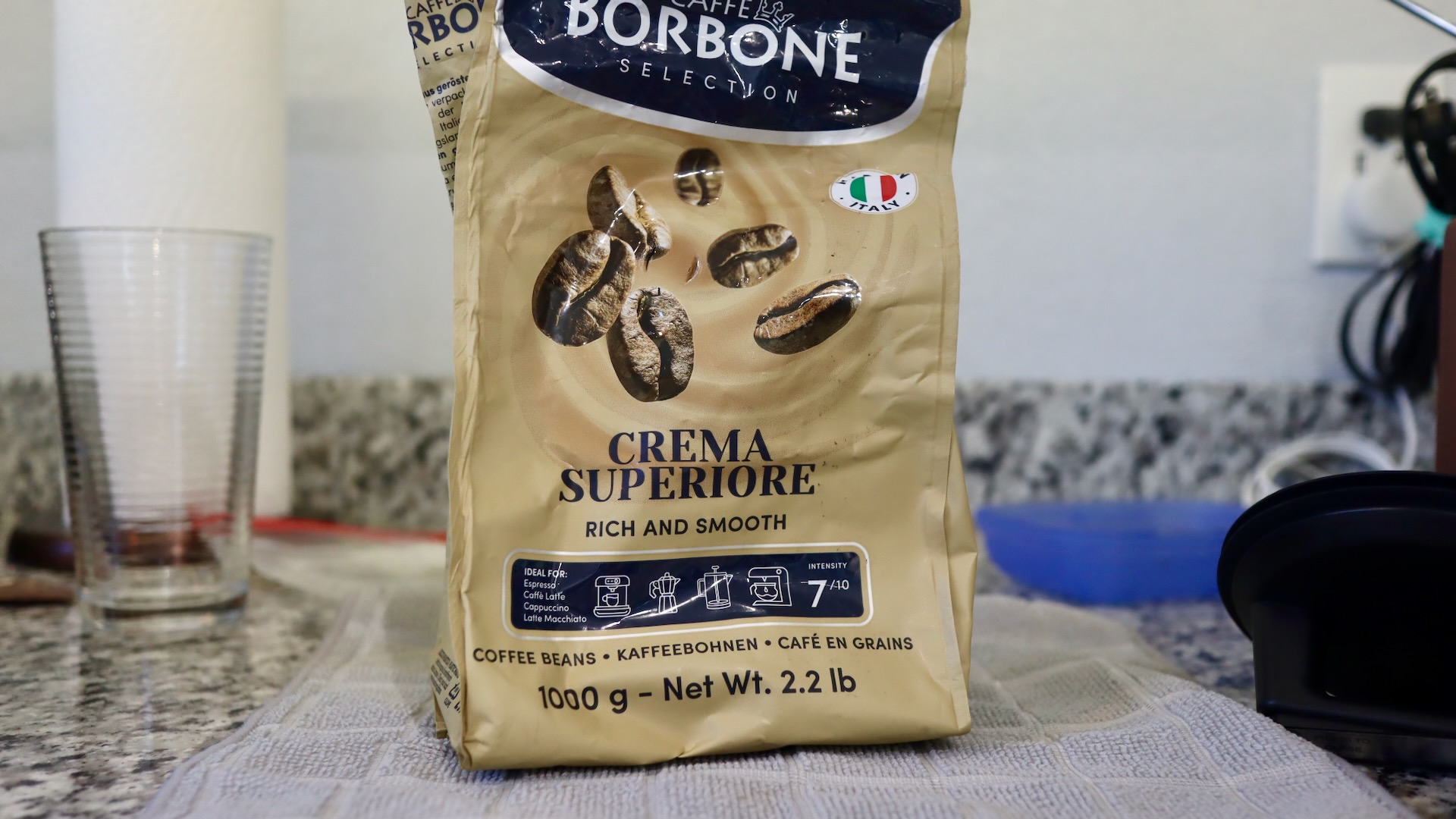
Caffe Borbone – Crema Superiore
Another thing is that these bags are generally made out of plastic. In the case of the Caffe Borbone (and many others for that matter), these bags are made out of LDPE, “low density poly ethylene.” This type of plastic is also used for some water bottles and for bagging many food items.
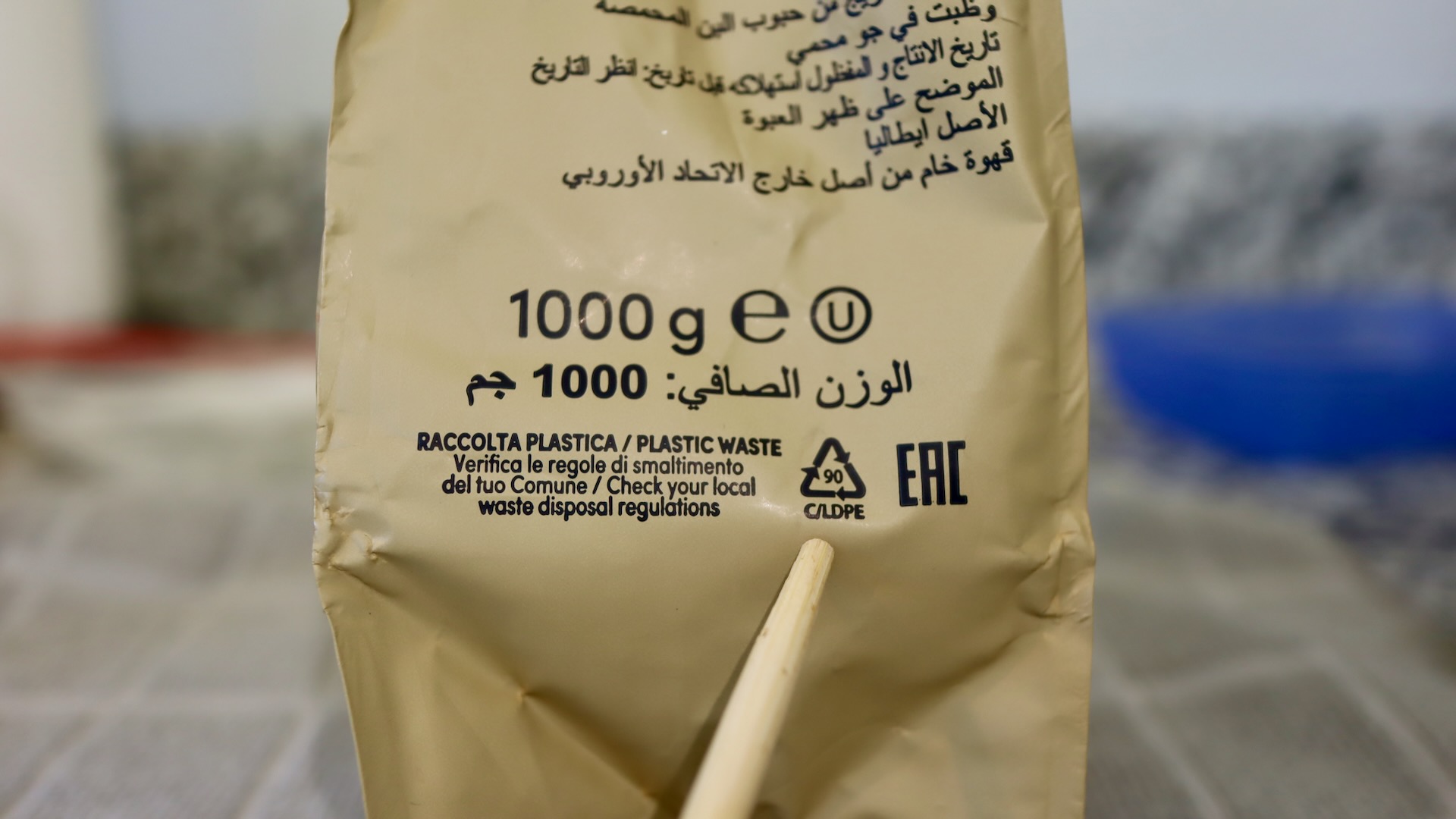
Caffe Borbone – LDPE Plastic
Plastic-free and Air-tight Containers
What I would suggest for your coffee beans is an air tight container, and ideally one made out of metal or glass. Both of these are food safe materials that do not react with the aromatics, and they do a great job of keeping your beans fresh, longer.
Have a look at the Kivy container below. It’s made out of food grade stainless steel, and has a valve integrated into the handle. That way, the air can escape while you’re closing the lid, but you can open the valve to release the vacuum when pulling the lid off.

Otherwise, if you’d prefer other options, you can consider an Airspace container, or a Fellow, although these are more expensive than the economical Kivy.
Storing Beans in the Freezer
Some people store beans in their freezers, and get good results doing so. I think your mileage may vary here though. If you keep smoked meat and fish in your freezer like I do, then it may impart some unwanted aromas into your beans. For that reason, and because I don’t find it super practical, I don’t keep my beans in the freezer. But again, this is an option that some people use.
If you DO store your beans in the freezer, it might be good to use a vacuum sealer, and some good quality sealing bags to keep the aromas of other foods out as best as possible.
Storing in a Bean Hopper
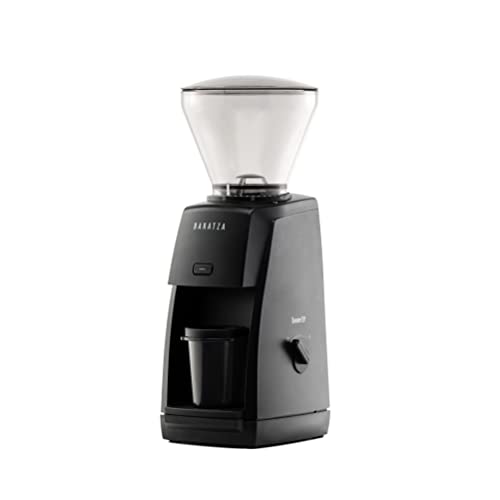
Of course the easiest thing to do, if you grind your own beans, is to store a bunch of beans in the grinder’s hopper. Some grinders even come with a rubberized lid, to help keep some of the air out of the hopper. Even so, I wouldn’t store a ton of beans in your hopper for 3 reasons:
1. Most hoppers are really not air-tight
2. Most hoppers are see-through, allowing sunlight to hit the beans
3. Most hoppers are made of plastic
SINGLE Dosing to reduce plastic and keep beans fresh
Another method you can use in your espresso or coffee preparation is called single dosing. The main difference here is using a grinder without a hopper, such as a Kingrinder K6 or DF54.

Single dosing is great, as your beans are not sitting in a plastic hopper, and they’re probably fresher in a Kivy vacuum container rather than a plastic hopper. BUT, please keep in mind that single dosing is a but more cumbersome. You need to weigh your beans each time, transfer them into the grinder, bang the hopper of any last grounds, and put the grounds into your portafilter or coffee filter. These extra steps may be either zen-like to you, or just downright cumbersome. Whether or not I single dose depends on my mood, and how much time I have.
Wrapping Up
Welp, I hope that this little guide helped you a bit in choosing a good and sustainable way to store your coffee beans, and keep them fresher, and ideally in a non-plastic container. There’s lots of options out there – you have to choose the one that works best for you.
More Resources:
You are currently viewing a placeholder content from YouTube. To access the actual content, click the button below. Please note that doing so will share data with third-party providers.
More Information