Philips 3300 Fully Automatic Espresso Machine Review
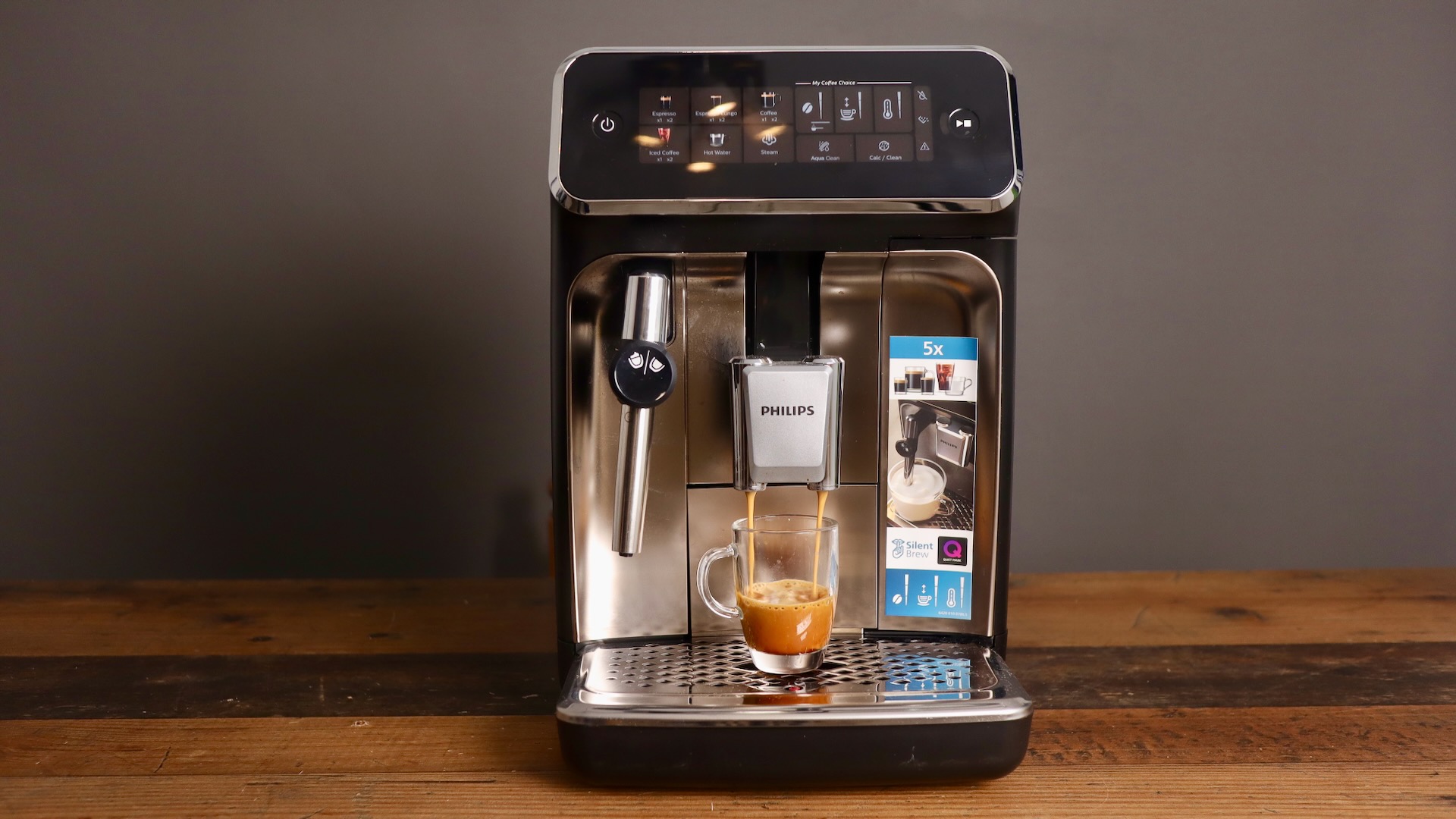
Introducing the Philips 3300 Fully Automatic Espresso Machine
The Philips 3300 is a fully automatic espresso and coffee machine. That means that all you have to do is fill it with beans and water, and it does its thing. Select a drink, and it will grind, tamp, extract, and make a drink for you.
Superautomatics like the Philips 3300 have become very popular for their ease of use, in our hectic lifestyles. But how does the new 3300 fare? And how does it compare to the likes of Delonghi for example?
Let’s have a closer look…
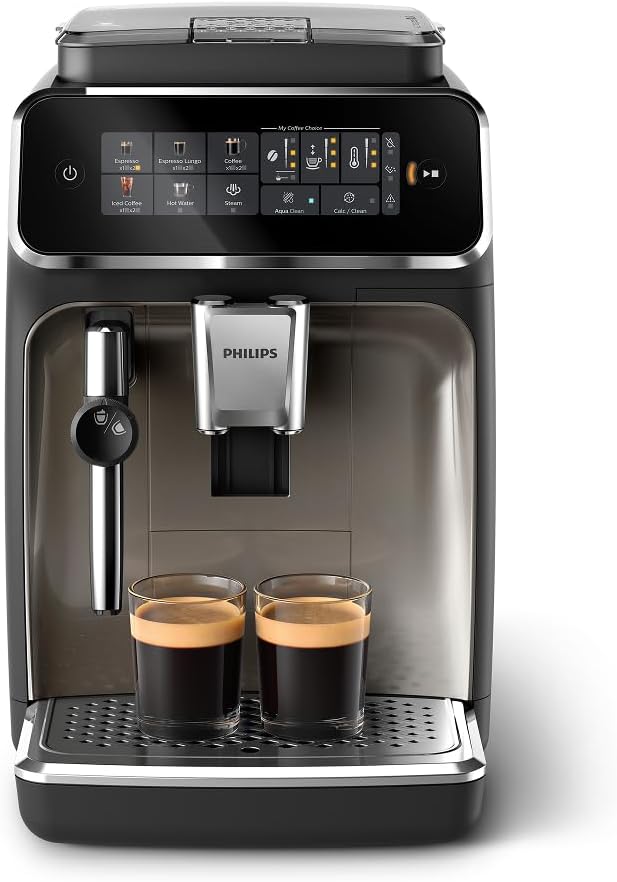
Drink selection on the 3300
Viewing the HMI of the Philips below, you can see the following drinks:
– Espresso (single and double extraction)
– Lungo (basically twice the volume but same bean amount)
– Coffee (an even longer extraction)
– Iced Coffee (not cold coffee, but a lower volume)
– Hot water (for tea)
– Steam (for latte macchiato, cappuccino, etc).
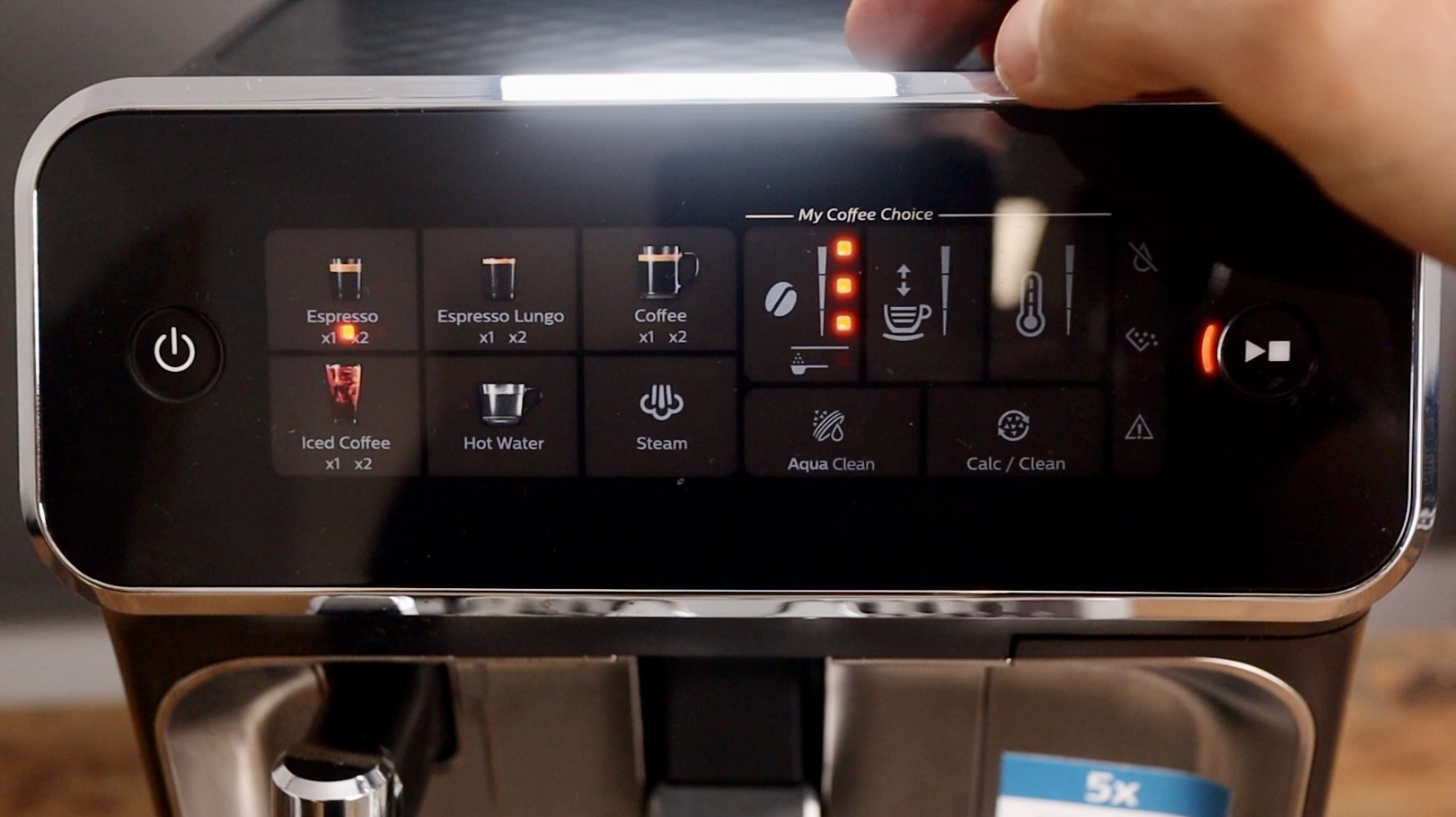
Philips 3300 fully automatic coffee machine HMI display
You will also see buttons to adjust the bean amount, the coffee volume in the cup, and the temperature. These are important settings, as they directly affect the extraction, and strength of drink in your cup. I always suggest to use the 3 beans choice, for more coffee.
Looking at the chart below, you can see the amount of beans used for each setting. I’d always recommend the 3 bean setting, to get at least 8 grams. Do note that even the much more expensive Philips 5500 uses the exact SAME brew group, and you therefore get the same bean amounts. So, the 5500 provides the same strength drinks as the 3300.
| 1 bean | 2 bean | 3 bean | |
|---|---|---|---|
| 3300 | 6 grams | 7 grams | 8 grams |
| 5500 | 6 grams | 7 grams | 8 grams |
I have experimented a lot with the 3300, and found you get the following volumes for the various drinks. Note that the density of coffee is almost the same as water, so 1 gram is approximately 1 ml.
| Small | Medium | Large | |
|---|---|---|---|
| Espresso | 32 grams | 45 grams | 70 grams |
| Lungo | 65 grams | 80 grams | 185 grams |
| Coffee | 110 grams | 130 grams | 200 grams |
| Iced Coffee | 85 grams | 120 grams | 145 grams |
So how does the 3300 perform for Espresso and Coffee?
The 3300 performs O.K. for espresso and coffee, but it could be better. Its main bottleneck is the old brew group, which has been the same for over a decade, and only allows for 8.5 grams coffee dose. For me, this leads to weak espresso and coffee. See the photo below, where I measured multiple times the maximum dose to be around 8.5 grams:
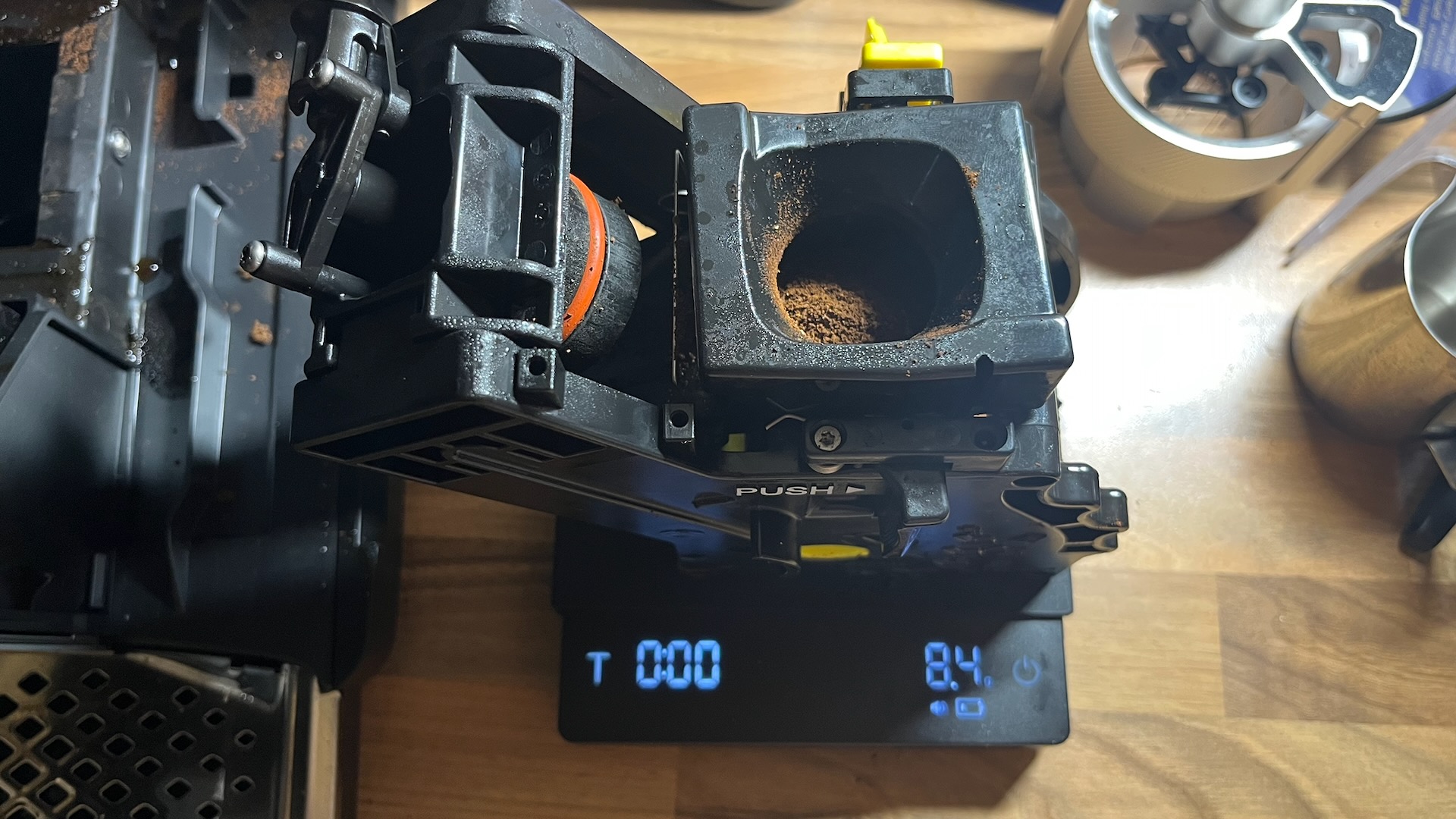
Philips 3300 – 8.4 grams maximum at 3 beans
The best you can do is to choose the 3 bean option, AND the lowest coffee volume. This will result in a 32 gram shot, so that is a 1:4 ratio of coffee beans to yield. Normal espresso should be a 1:2 ratio (more stout) for reference. This ratio of 1:4 leads to a low TDS measured of 4%. This measures the strength of the coffee. For reference, a normal espresso machine provides a TDS of somewhere between 8.5-10%.
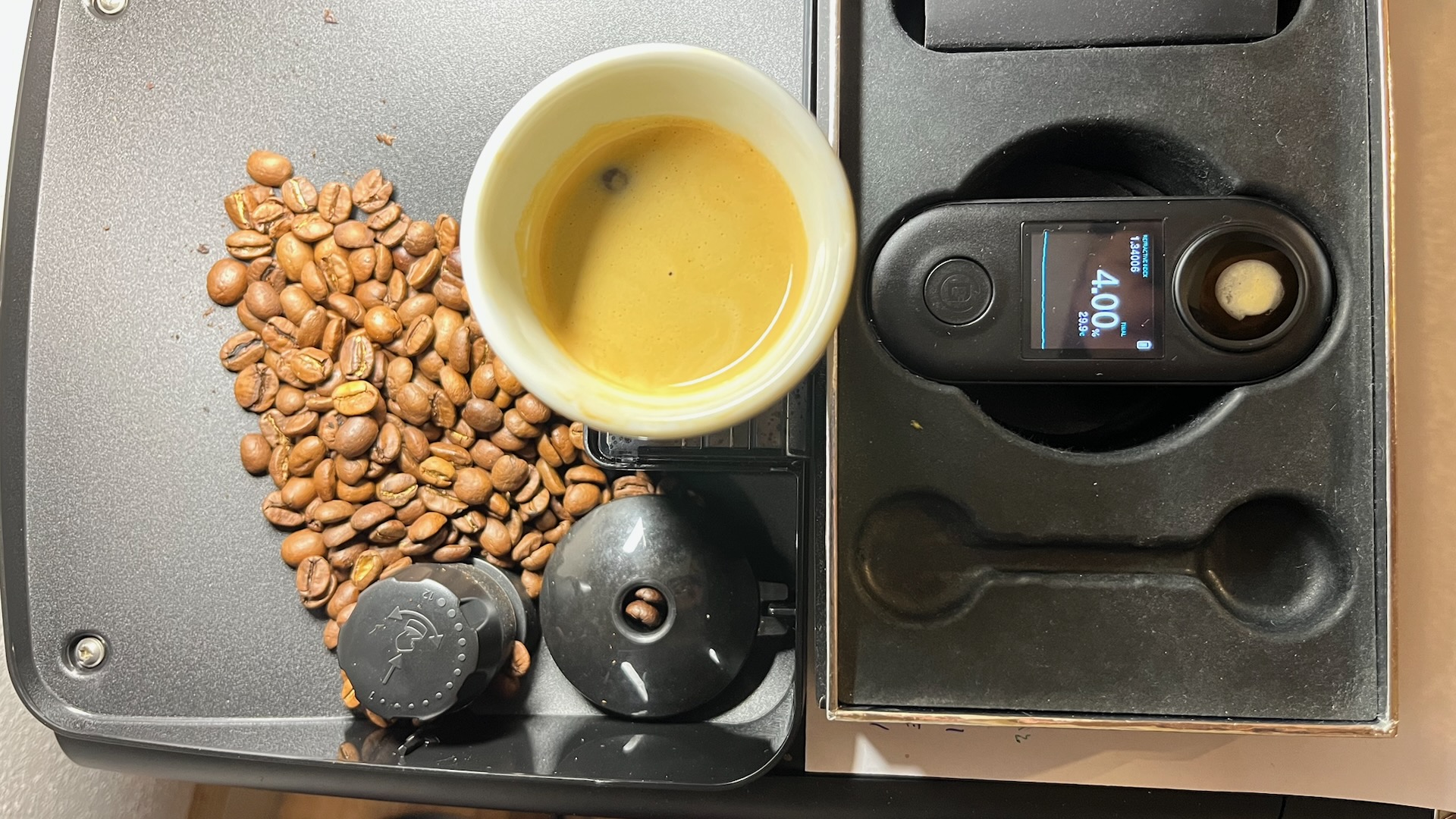
4% TDS at 3 beans and grind 2
Nevertheless, I know that a lot of people LOVE their Philips, so I think it has a lot to do with getting used to the machine. Just like you can get used to an LG television over a Samsung, you can probably get used to a coffee with less kick, as your body gets used to less caffeine.
So how does the 3300 perform for Milk Foam?
To be honest, I was actually pleasantly surprised how well the 3300 did for milk foam. It does well both with the panarello attached, and removed.
Using the stainless panarello, it’s really easy to texture milk, and in fact you can do it right in the cup.
You can also remove the panarello, and try steaming milk in a milk jug for latte art. I do have to say, here I was really impressed at the results I could get with the stubby little steam wand. Check the pic below for the latte art I was able to do with the 3300 for a coffee (left) and hot cocao (right):
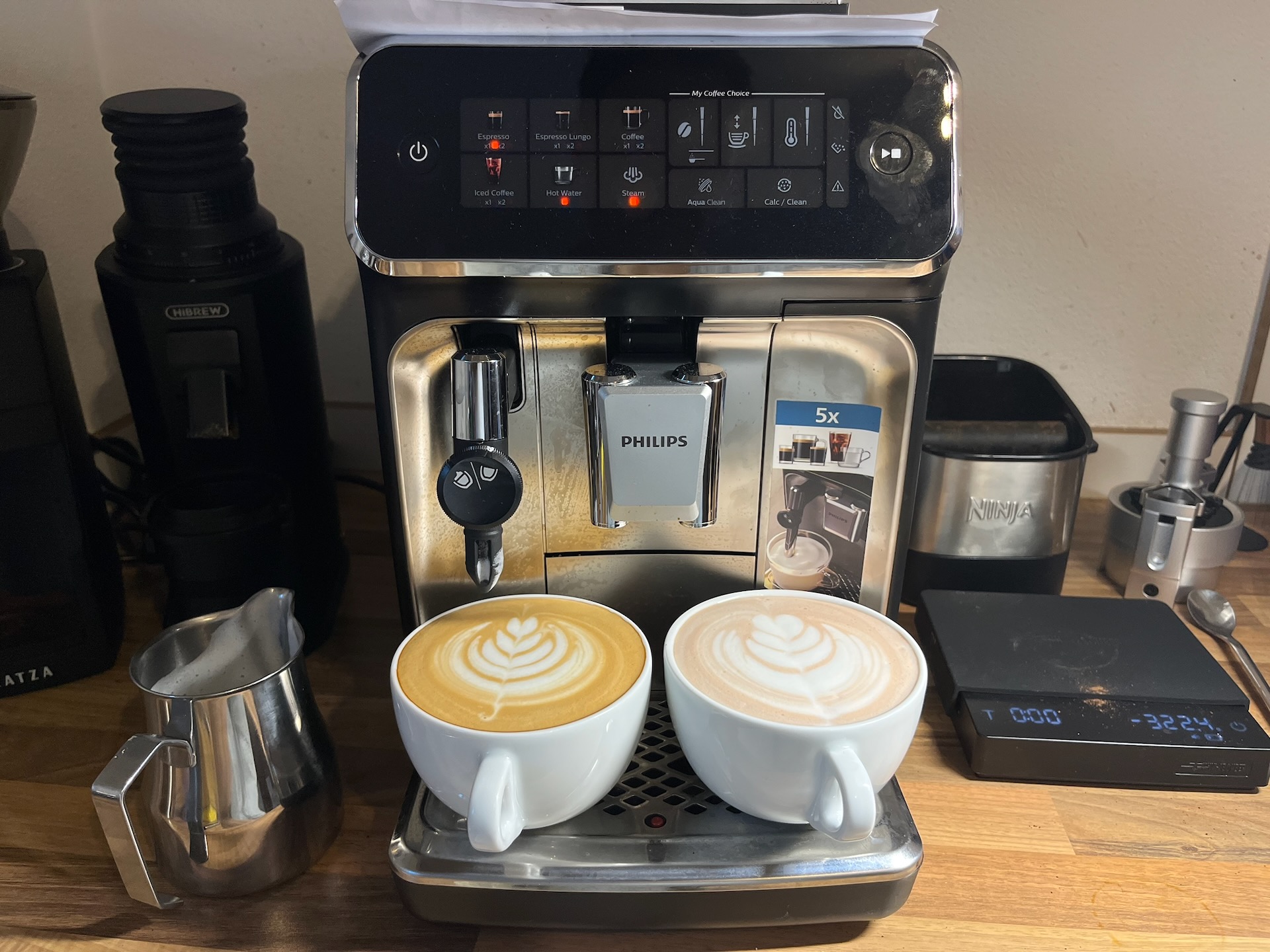
Philips 3300 latte art
The Looks and Features of the Philips 3300
I think the reason Philips is so successful is due to 2 factors: the looks of their machines, and their marketing. I have to admit that the machine looks pretty good – better than Delonghi’s budget offerings.
Looking below, you can see that the fascia of the machine is wrapped in chrome colored trim. The front of the machine has a nice concave shape to it. The stainless drip tray has hole cutouts that match the black plastic side panels. The newly designed stainless steam wand panarello looks nice, too.
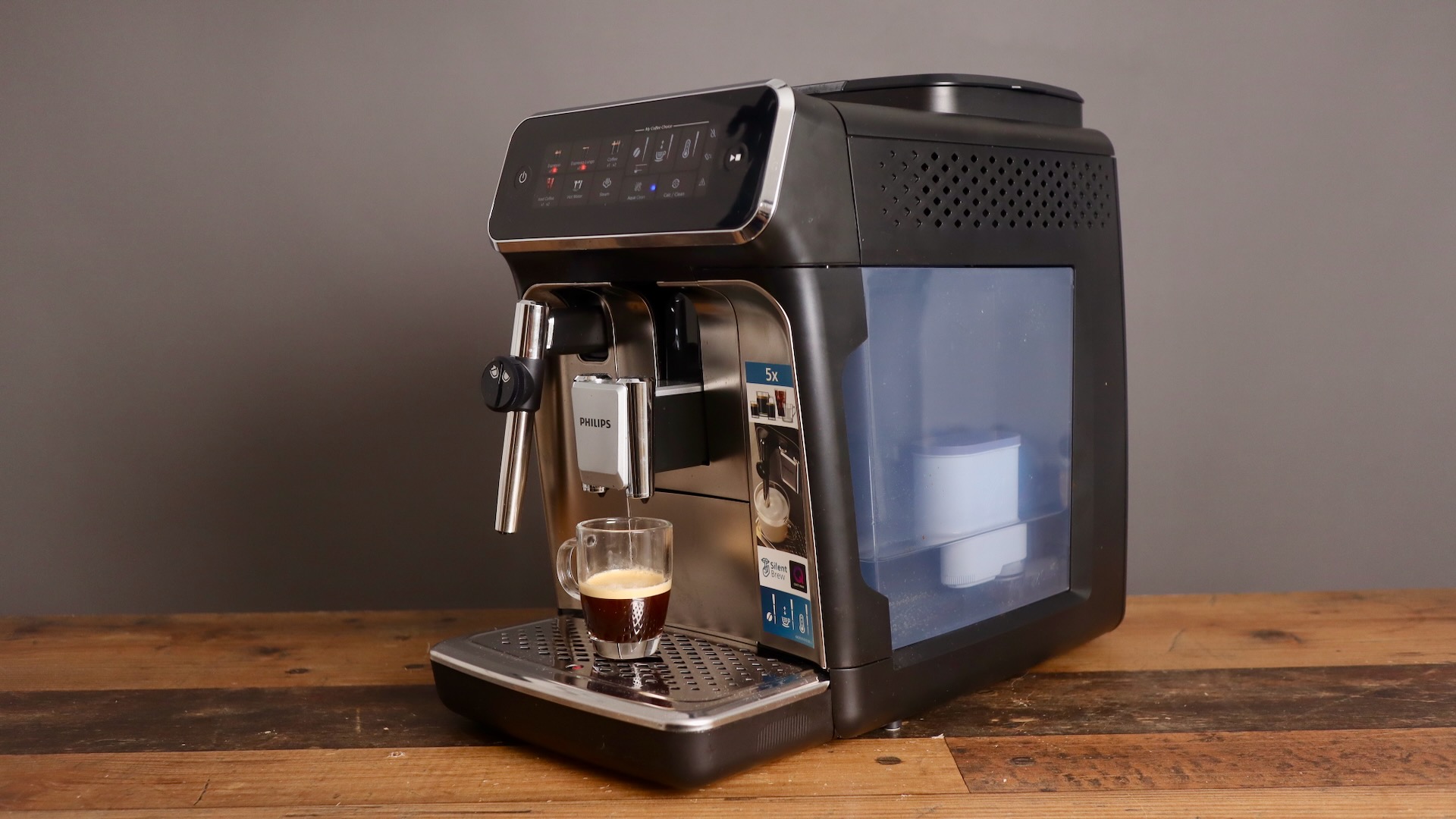
Philips 3300 Superautomatic – Isometric
On the top, you’ll find the bean hopper and ceramic flat burr grinder, which has 12 different settings. I normally run the grinder at 2-3, by the way. Additionally, there is a little vented flap located next to the bean hopper. You can lift this up, and put in your own pre-ground beans if you wish.
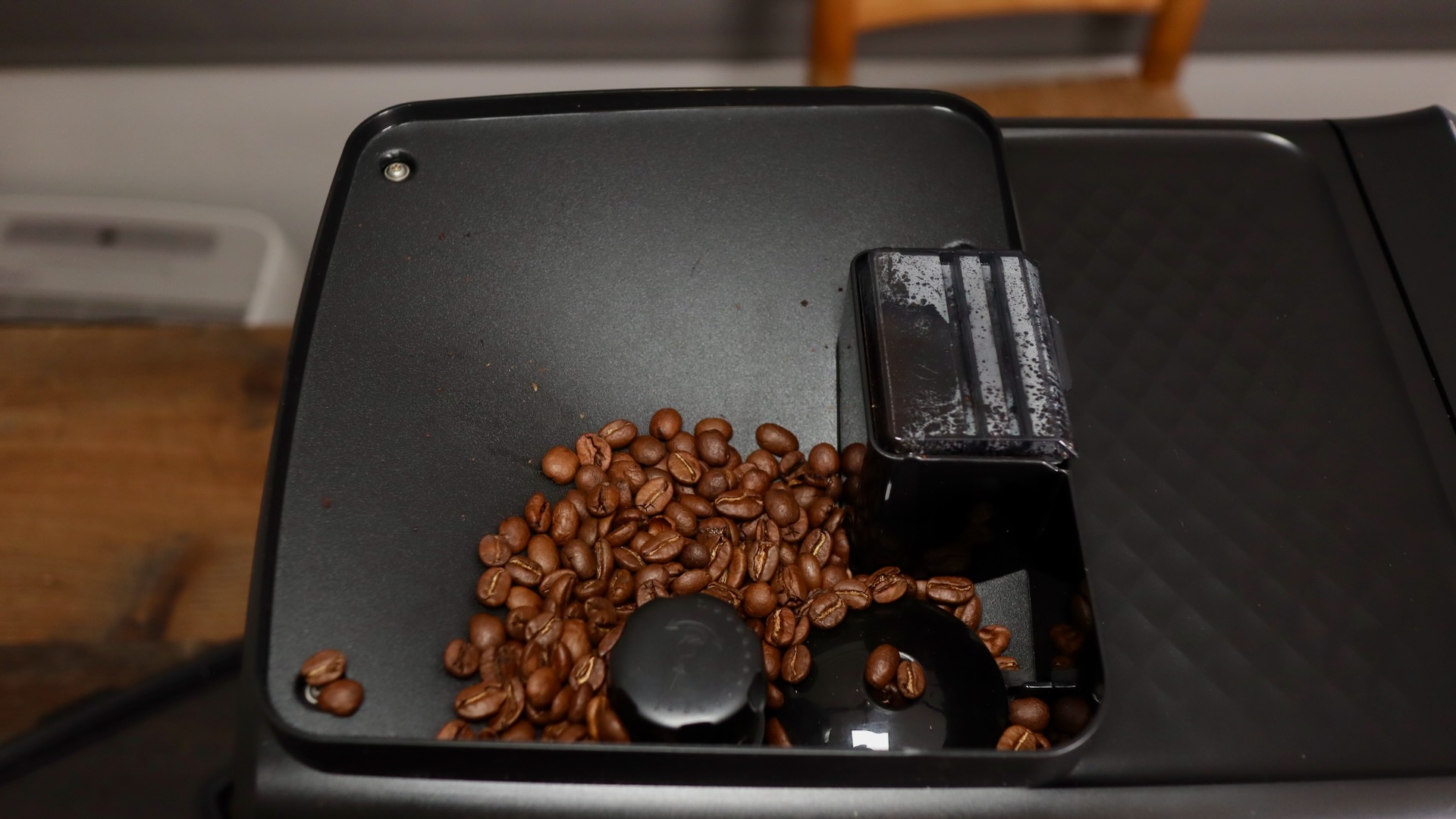
Philips 3300 Superautomatic – Bean Hopper
Make sure to adjust the grind while the machine is grinding. Push the knob down, and turn counter clockwise to get finer, and clockwise to get coarser. Again, I find the best results at around 2 on the dial. This results in 4% TDS, and well shaped pucks.
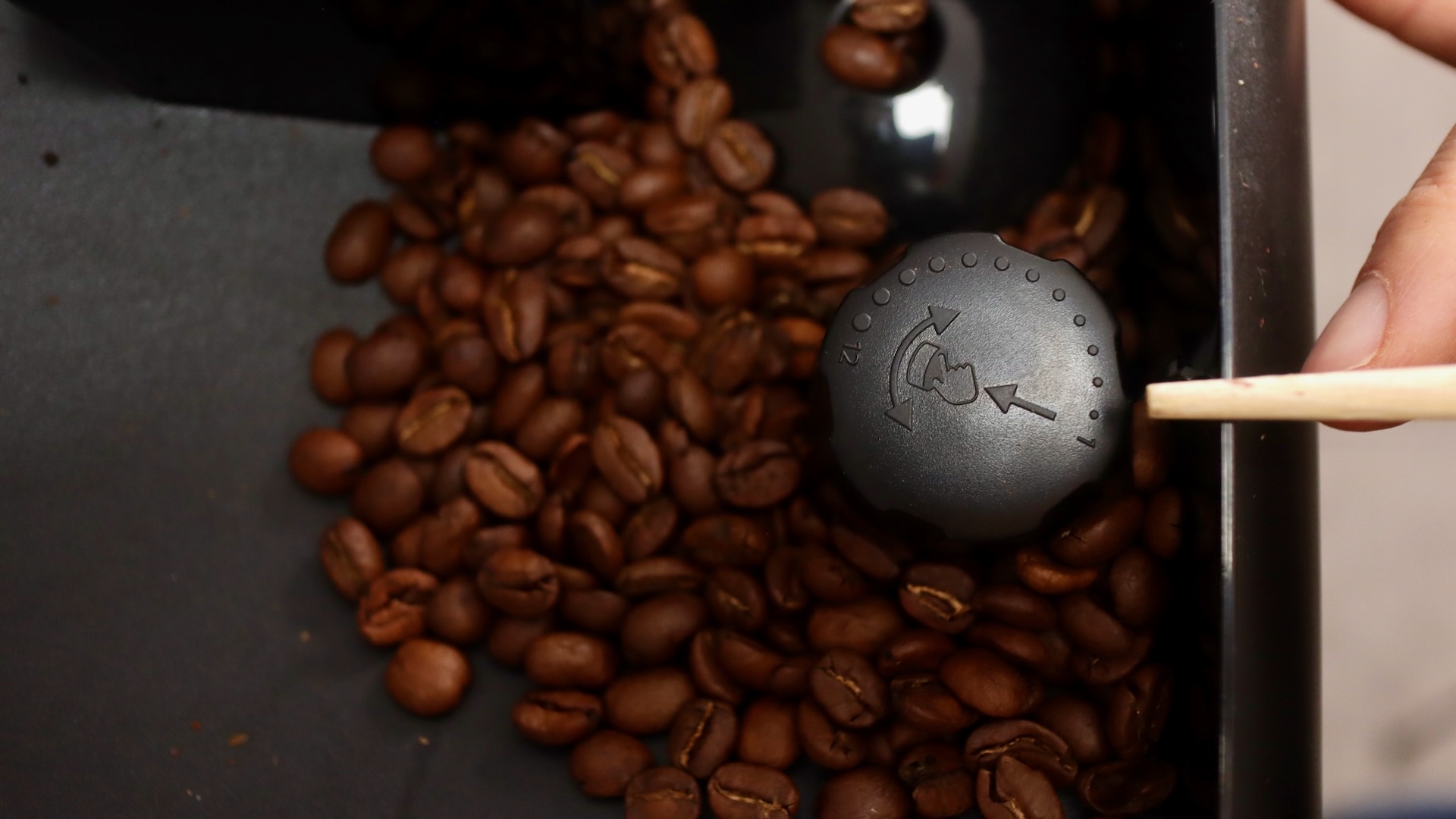
Philips 3300 Superautomatic – Adjust to 2
On the right side of the machine, you will see the water tank and water filter, which is important for keeping the machine in good shape. Be sure to descale regularly anyway, as the filters lose their efficacy over time.
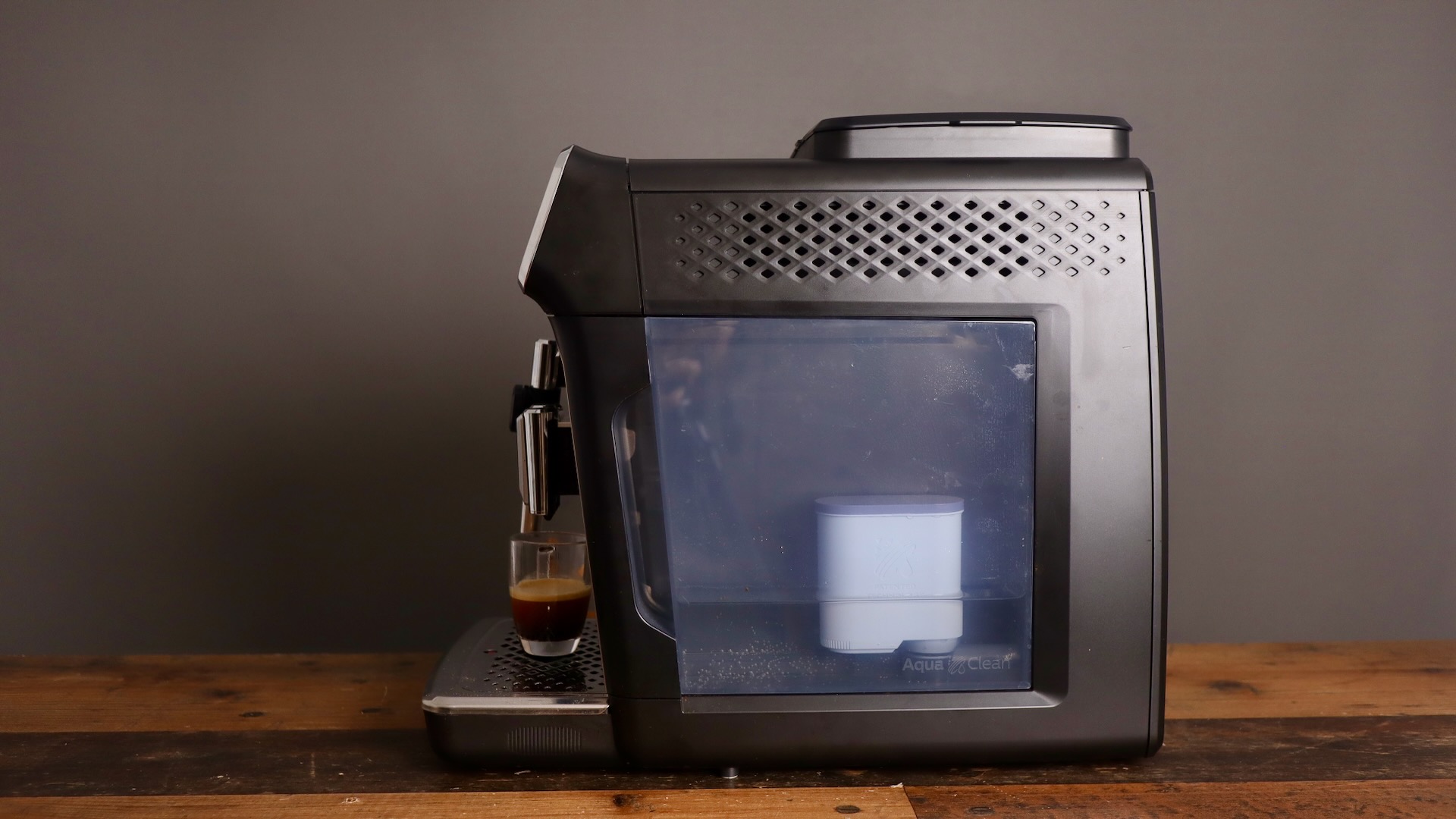
Philips 3300 Superautomatic – Right Side
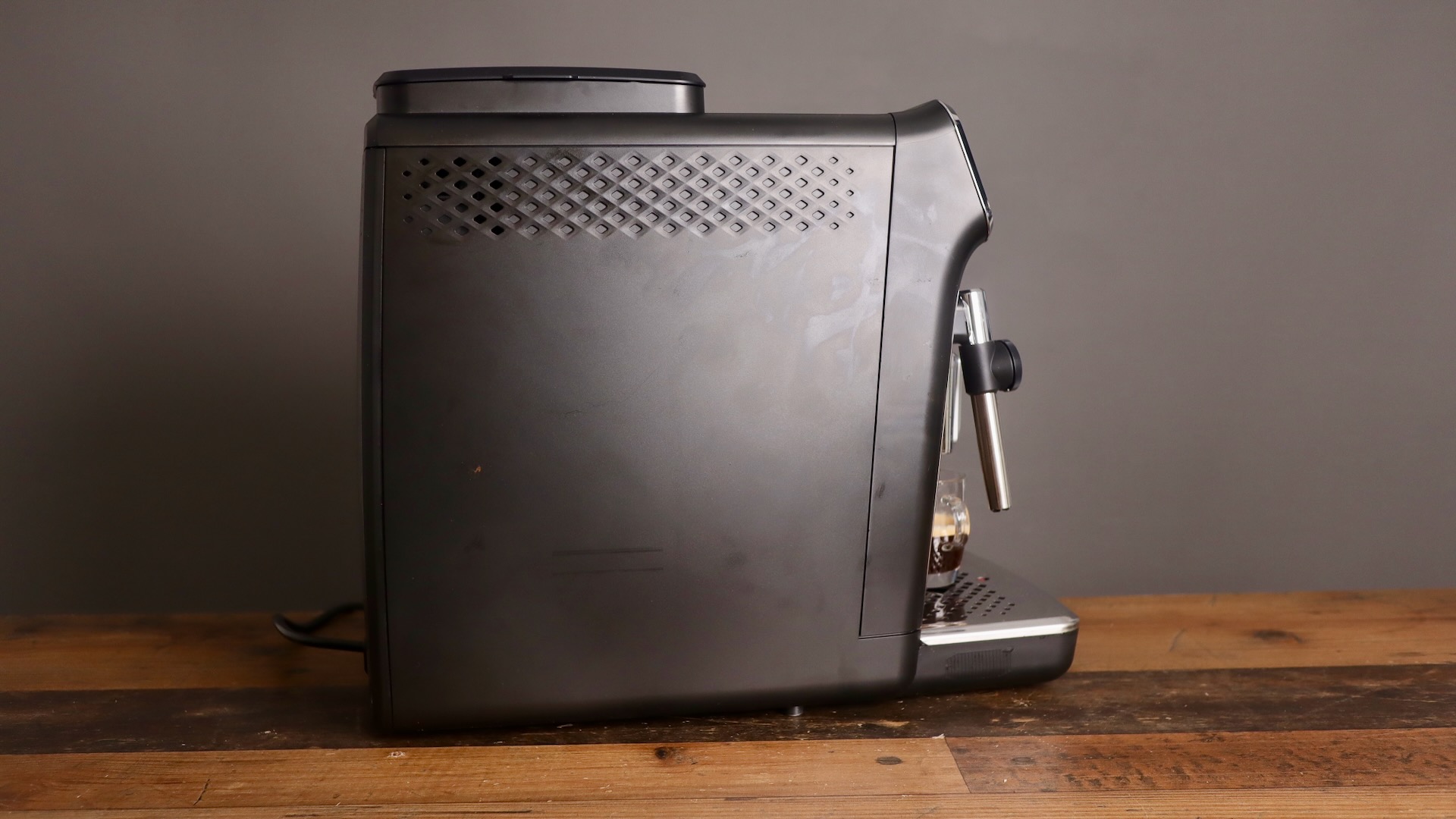
Philips 3300 Superautomatic – Left Side
On the sides and back of the machine, you will also see some heat slits, which help with heat and puck steam dissipation, after a coffee or espresso has been extracted. This will help to air out the brew group area. Even so, I’d suggest pulling out the grounds catch tray, and cleaning and drying it on a regular basis.
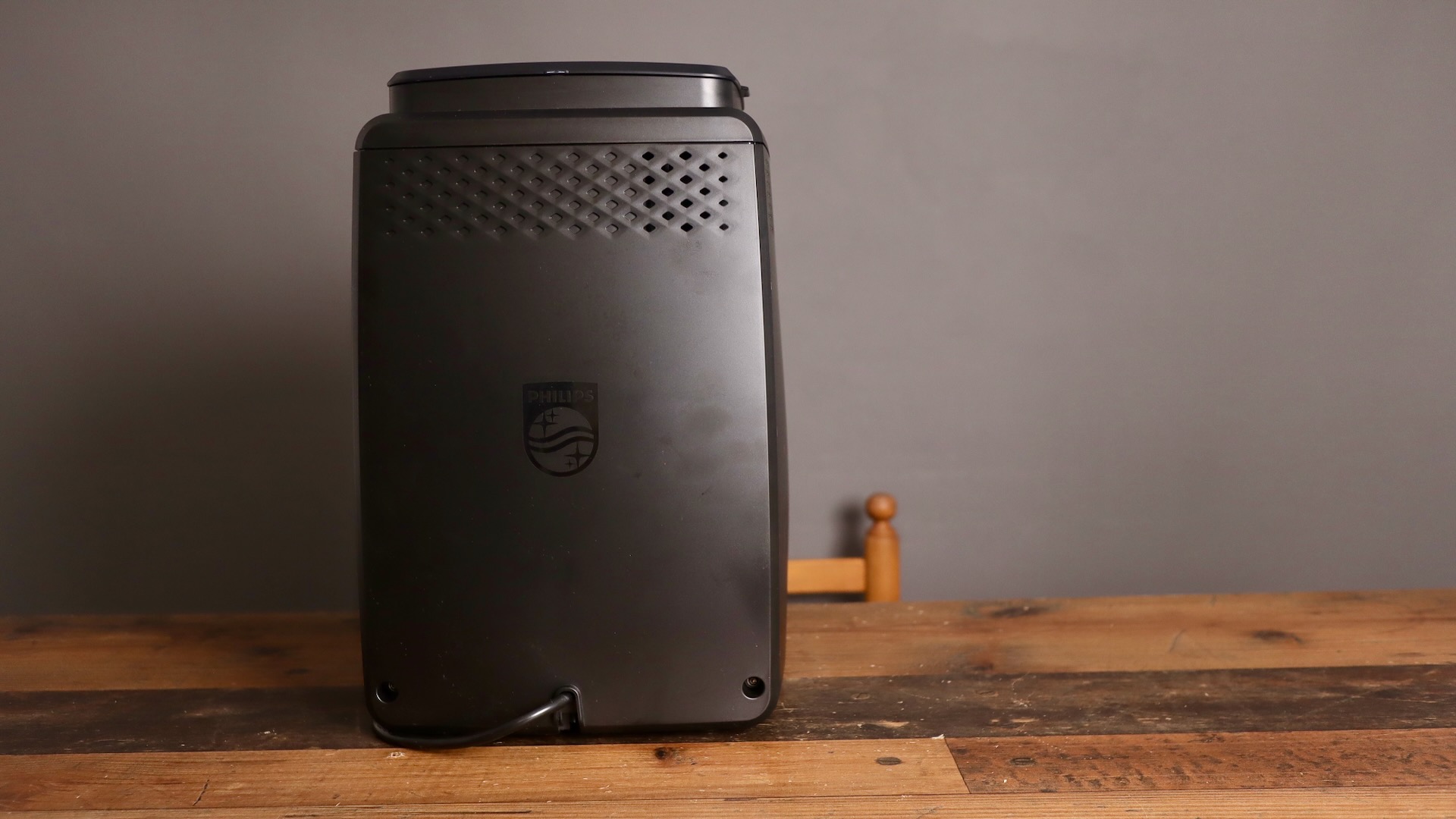
Philips 3300 Superautomatic – Back Side
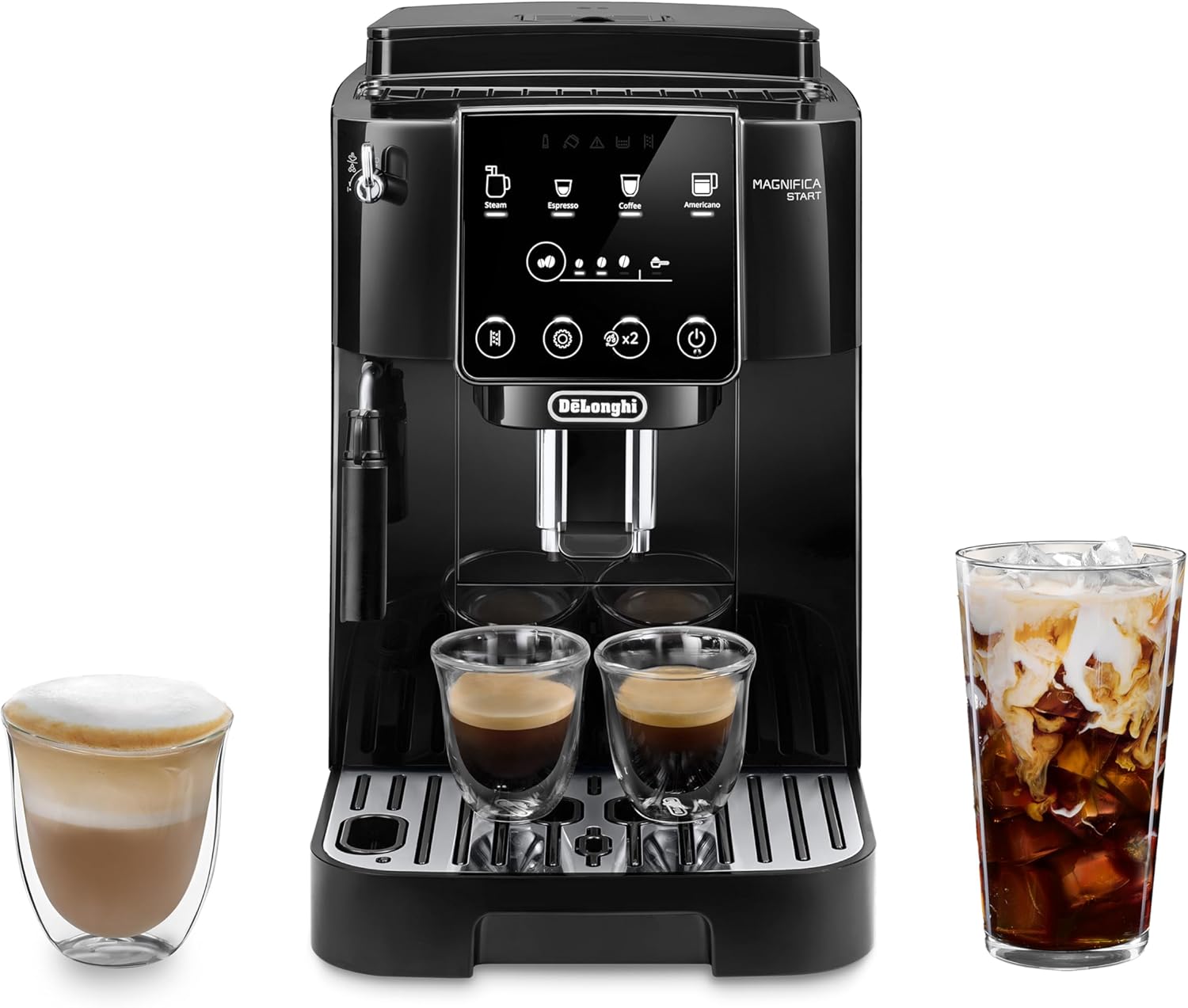
Philips 3300 vs the Magnifica Start
People will often ask themselves the question, which is better, the Philips 3300 or Delonghi Magnifica Start? These are in a similar price bracket, but they perform differently.
While I do feel that the Philips looks a bit more modern, with its nice concave shape, silver trimmed fascia, and updated panarello, the Delonghi performs better. At least, the coffee is better on the Delonghi. This is mainly due to the larger dose it can provide, of up to 12 grams per shot. That equals 50% more coffee beans used for the Delonghi over the Philips, resulting in a more intense drink.
Of course, you can choose the double shot option on the Philips, but I still feel that it’s better to use more coffee beans per shot.
Check out the machines below:
Best Accessories for the 3300?
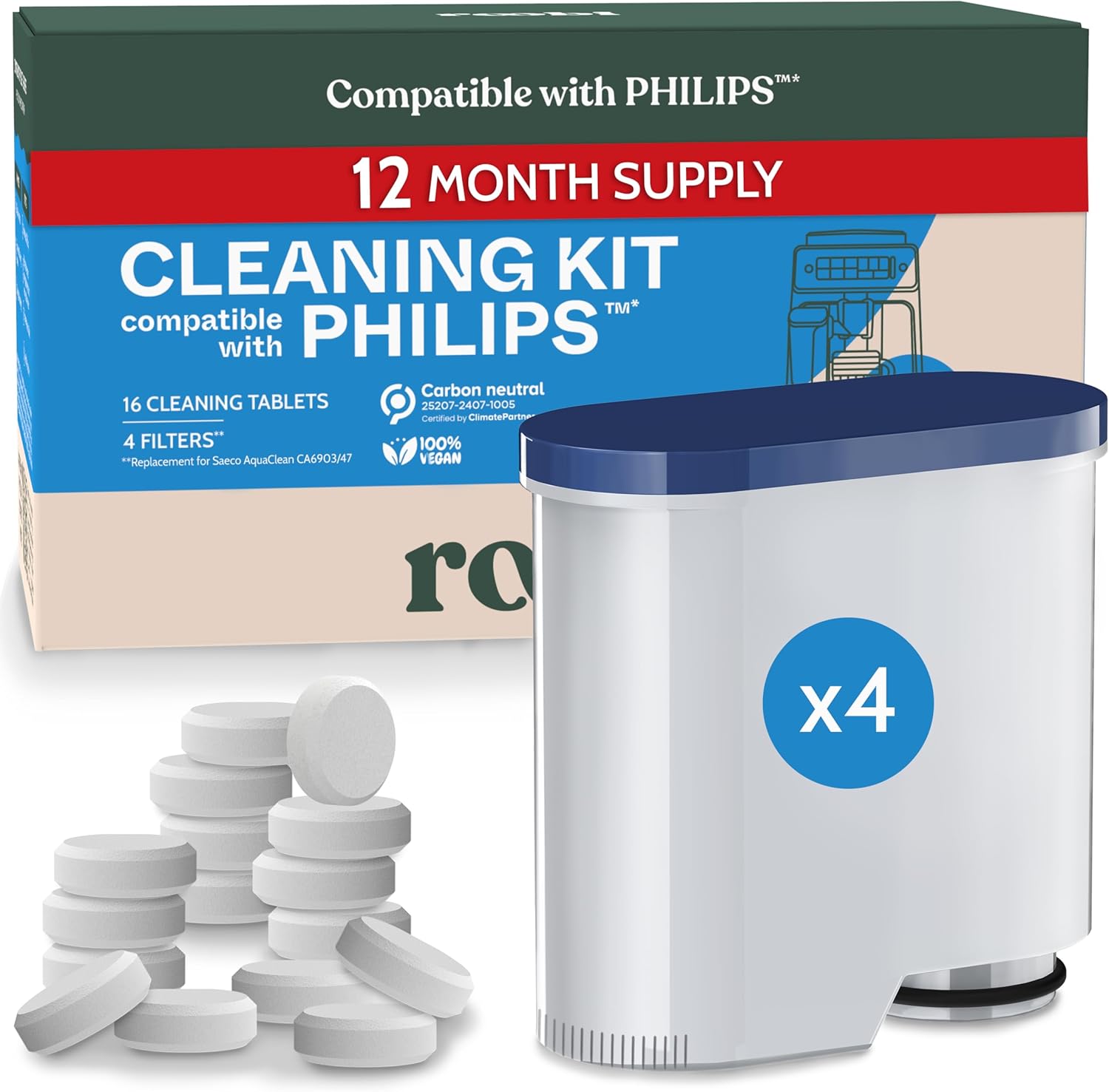
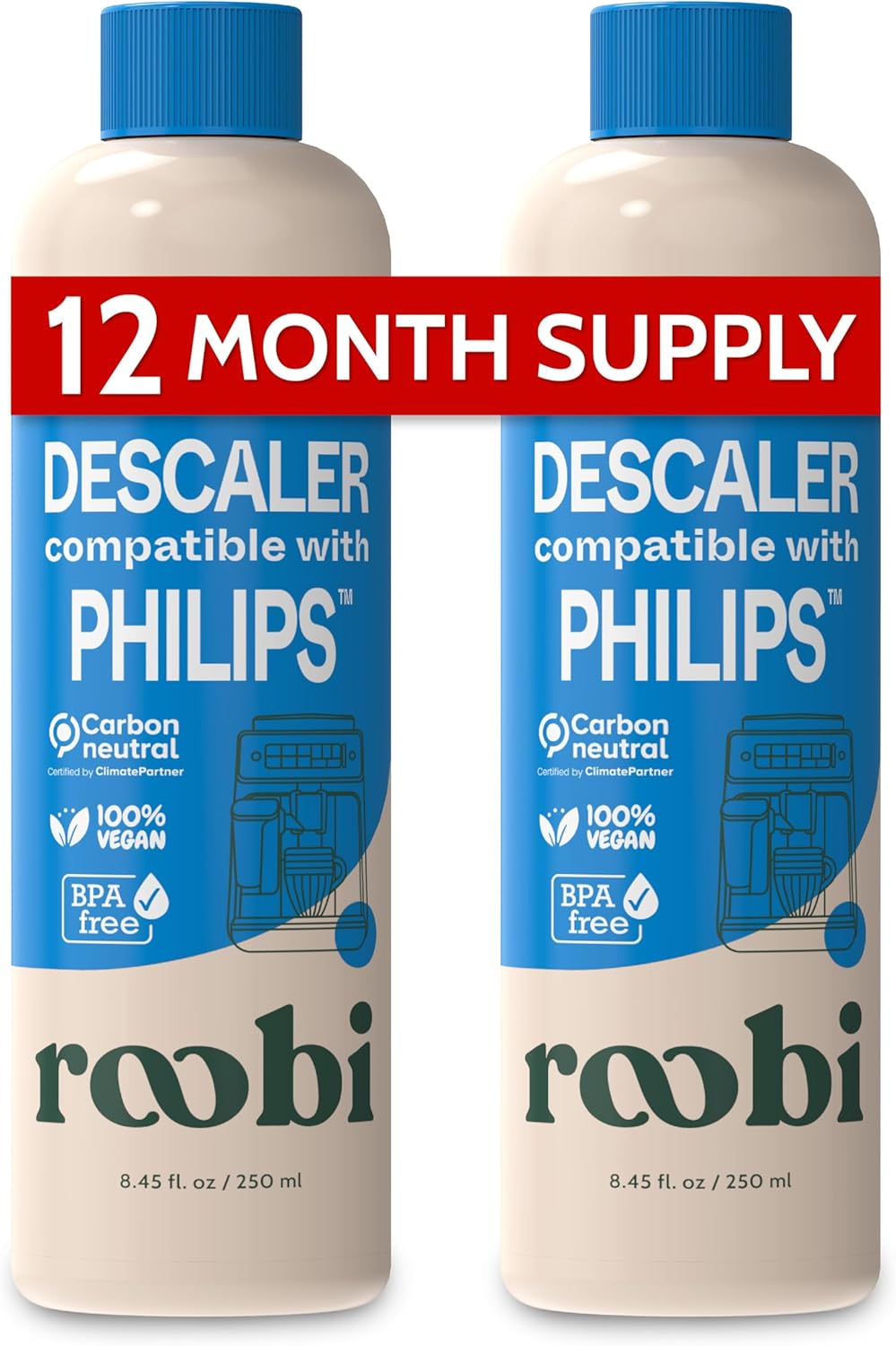
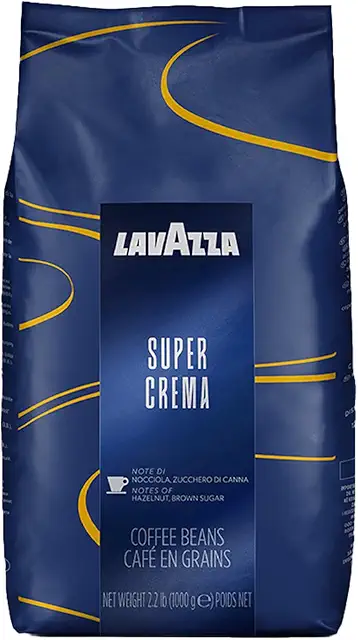
You really don’t need any accessories for the Philips, but I would suggest using a water filter, and I would also suggest using some nice fresh beans. Also, be sure to descale regularly. I will include a few recommendations below.
Pros and Cons of the 3300?
The main pro of the 3300 is its ease of use and low price. In particular, if it can be had on sale, it’s much more worth it to buy. It’s main downside are the drinks made with small coffee pucks, leading to weaker drinks, in my opinion.
Pros:
- Easy to use, good HMI layout
- Economical price
- Consistent drink volumes
- Good water temperature for tea
- Latte Art possible with practice
Cons
- Build quality only adequate
- Weak coffee drinks
- Lightweight for a superautomatic
Specifications of the 3300:
– Dimensions: 9.7″ D x 17″ W x 14.6″ H
– Weight: 16.5 pounds, or 7.5 kilos
– 1500 watt machine
– Build Materials: mixture of plastic and metal
– 1.8 liter water tank
– Country of Origin: China
Competitors to the 3300
To me, the most direct competitor to the 3300 is the Delonghi Magnifica Evo or Magnifica Start. I find that the Delonghi beats the Philips on both build quality and drink quality, but if the 3300 is on a good sale, it may be worth it.
Find your Philips 3300 here here:
More Resources:
You are currently viewing a placeholder content from YouTube. To access the actual content, click the button below. Please note that doing so will share data with third-party providers.
More Information